Blog / Ford Service

Why Regular Oil Changes Are Crucial for Your Vehicle in Starke, FL

Oil Change in Starke, FL

The Role of Oil Changes in Engine Health

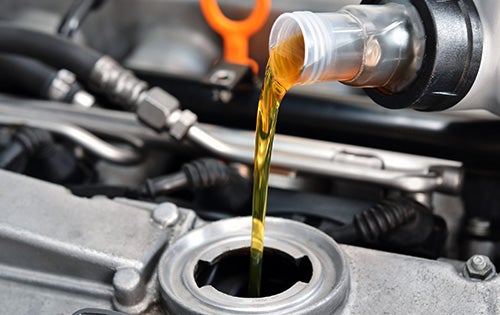
Engine oil performs several functions, including the lubrication of internal components and the reduction of heat within the engine block. Over time, the chemical properties of the lubricant degrade, which results in higher friction levels. Because the oil breaks down, this process can lead to component wear if the fluid is not replaced at recommended intervals. 

Improved Engine Performance 

Lubrication allows 4-cylinder, 6-cylinder, and 8-cylinder engines to operate within standard parameters. Clean oil removes debris and sludge that builds up during the combustion process. If you commute through Starke, fresh oil ensures the mechanical systems function without unnecessary resistance. 

Enhanced Fuel Efficiency 

Dirty or degraded oil increases the workload of the engine, which typically lowers fuel economy. By keeping up with routine maintenance, the vehicle can achieve the manufacturer's estimated gas mileage. This efficiency is important for drivers who operate vehicles in heavy traffic or high temperatures. 

Prolonged Engine Life 

Reducing friction minimizes the physical stress placed on metal parts. This reduction in wear helps extend the operational lifespan of the powertrain. Consistent service prevents premature failure of critical engine parts, which helps avoid expensive mechanical issues. 

Recommended Service Intervals 

Service frequency is determined by the vehicle manufacturer and the specific driving environment. Modern engines using synthetic oil often require service every 5,000 to 7,500 miles. Drivers should consult the documentation provided with their vehicle for exact specifications. 

Schedule Your Oil Change 

Murray Ford Starke provides automotive maintenance for various makes and models. Drivers can visit us in Starke, FL, or use the online portal to select a time for vehicle service.

Posted in:

Related Posts

Brake Repair

5 Big Signs Your Ford Needs a Brake Repair

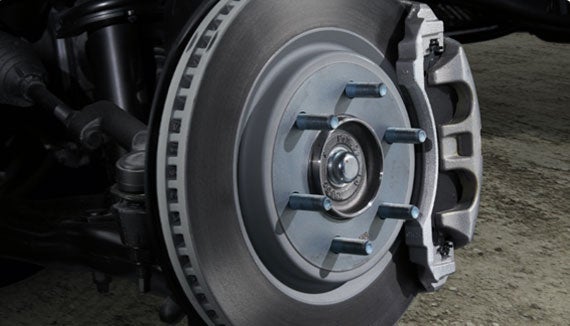
Brake Rotor. Photo: Ford. Smells, noises, and how your Ford feels and responds when you drive can tell you there's something wrong with your brakes. The signs below are warnings to get a brake repair from your Ford dealer ASAP to ensure that your Escape, Expedition, F-150, or other Ford is safe on the road. more 5 Big Signs Your Ford Needs a Brake Repair From Your Ford Dealer 1. The Brake Pads Are Thin Inspect the thickness of your brake pads, and if they look worn and thin and are less than a quarter of an inch thick, it's best to replace them before it affects your braking ability and cause damage to your car's brake system. 2. Your Brakes Make Screeching and Grinding Noises When the brake pads are worn down too thin, you will hear screeching when you step on the brake pedal. The small metal bars built into the pads alert you it's time to replace them. If you don't replace the pads in time, they will wear down completely. You'll start to hear horrible grinding noises from the bare metal scraping against the rotors. 3. You Feel Vibrations Through the Brake Pedal or Steering Wheel When your brake pads are worn down too thin, it could cause vibrations you'll feel through the brake pedal, causing your car will take longer to slow down and stop. When the rotors are warped or damaged, it will cause vibrations you'll feel through the steering wheel. 4. You Spot Puddles Under Your Car Your car is leaking brake fluid if you see yellowish or brownish puddles on the ground under your vehicle. A leak is a serious problem that needs fixing as soon as possible: if there's not enough brake fluid, your brakes will stop working entirely. 5. A Brake System Warning Lights Is On Your Ford has a brake warning light, an anti-lock brake system light (ABS), and a park brake light that will alert you if there is a problem with your brake system. The Brake Light First, check that your parking brake is released when you see the brake light is on. If the light stays on after you release the parking brake, it could be due to low brake fluid caused by a leak or a brake system issue. The ABS Light The ABS light warns you that the anti-lock brake system is off. The regular brakes are still working, but the ABS is deactivated. Your car might skid when you brake hard or take longer to slow down and come to a complete stop. Electric Park Brake Light The park brake light will go on if the motor fails or gets stuck. The parking brakes will not engage, or you won't be able to drive if it's stuck. Get your brakes fixed as soon as you can when you notice the above signs to keep you safe behind the wheel of your Ford. Contact Murray Ford of Starke today to schedule a brake system repair, and the qualified technicians will ensure your brakes work perfectly.

Does Your Ford Need a Transmission Repair?

With a healthy transmission, shifting gears should be smooth and effortless. If you ever feel or hear something strange when shifting, you might be in need of transmission repair. Here are four indications of transmission trouble to look out for. If you experience any one of them, visit your nearest Ford dealer for repairs before the issue develops into something more serious. more Does Your Ford Need Transmission Repair? Leaking Transmission Fluid Transmissions transfer the power of your engine to your wheels. As you can imagine, this creates a great deal of pressure, friction, and heat inside the gearbox. Transmission fluid serves the critical function of lubricating the gears while also cooling things down and cleaning debris out of the mechanism. If your transmission ever springs a leak, your gearbox will rapidly break down. In the case of a leak, you might notice a reddish fluid pooling under your car. You can use the dipstick to check your transmission fluid level. If it has fallen dramatically because of a leak, have a professional take a look as soon as possible. Grinding Gears When gears first start to struggle, you'll often hear them grinding awkwardly when you shift. If you hear this grinding, your fluid might be low or aging. Most transmission problems are due to low fluid. Your transmission synchronizer might also be faulty. Your clutch might also not be disengaging properly. There are various other potential causes of grinding gears. You'll need a technician to diagnose the problem. Slipping Gears If your transmission trouble worsens, you might start to experience slipping gears. Your car will struggle to shift, or it might suddenly shift gears on its own. You'll probably notice higher-than-usual RPMs and revving. Your fuel economy will diminish, and you'll likely see the check engine light come to life on your dashboard. Once again, the most common cause of slipping gears is low or degraded transmission fluid. The various clutches and bands in your transmission might also be faulty. Alternatively, some of your gears might be rounded out, or you might have a faulty solenoid or torque converter. Stuck Gears One of the worst gearbox problems is when your gearbox sticks and refuses to shift. This might be due to something as simple as your solenoid or shift lock release malfunctioning. But it might also point to more serious issues. Flush Fluid Often at Your Local Ford Dealer Good fluid is the lifeblood of your transmission. For automatic cars, transmission fluid should be flushed every 60,000 miles. For manual shifts, this should be every 30,000 miles. If you diligently have your fluid flushed and refreshed as scheduled, you're far less likely ever to experience transmission trouble. There's no reason why a well-kept gearbox shouldn't last for the lifetime of your car. Visit Murray Ford Starke today to have your transmission inspected and flushed. We're a local family-owned dealership providing great vehicles and great service.

New Car Battery - Ford

Does Your Ford Need a New Car Battery?

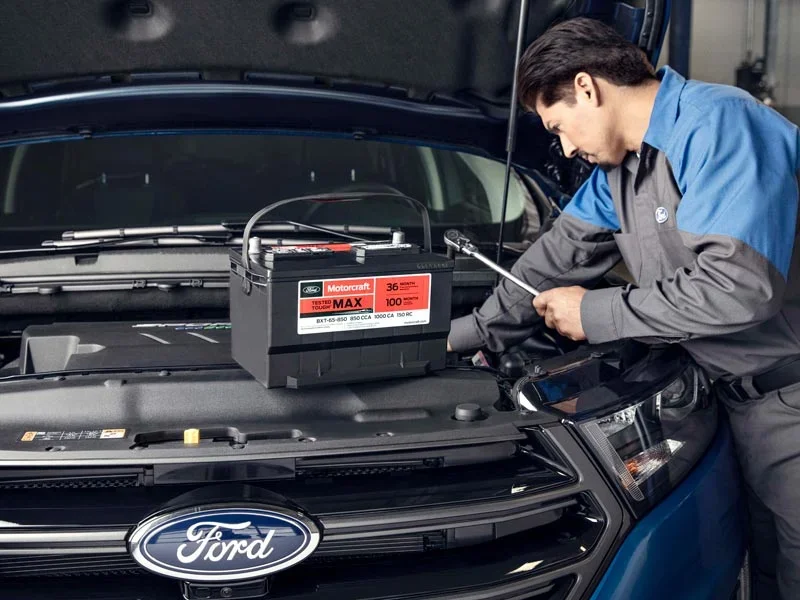
Photo: Ford Your vehicle's battery provides the power to start your car and powers everything from the ignition system and computer to the windows and lights. When a battery is weak or failing, you will notice all sorts of issues. Here are telltale signs that'll warn you when it's time to visit your Ford dealer for a new car battery. more Does Your Ford Need a New Car Battery From Your Ford Dealer? Battery Lifespan Batteries have a limited life cycle. On average, a car battery lasts between three to five years. When your battery is three years old, regular battery tests are essential to determine if it's still going strong and if it's time for a replacement. The last thing you need is to get stuck next to the road with a dead car battery. Dashboard Warning Lights If there is a problem with your car's battery, the engine light or the battery light will go on. Neither warning lights should be ignored because a faulty charging system could get you stuck. When you notice these warning lights are on, get it checked out by your Ford technician as soon as you can. Electric Issues When your battery loses charge, it will affect the lights, seats, heaters, and electric windows. The lights will be dimmer and weaker, and the windows will move slower or not at all. It won't be long before the battery stops working altogether. Get the battery tested to determine if it needs replacing before you have to ask a good Samaritan to help you jump-start your car. Trouble Starting Your Car You know your car and how quickly it starts. When there is suddenly a problem starting your vehicle, a weak battery could be the culprit. When the engine is cranking slower than usual and takes longer to start, don't risk ignoring the issue. Ask your Ford technician to inspect the battery before your car doesn't start at all. Clicking Sounds If you turn your key in the ignition or press the start button and hear a clicking sound, your battery is too weak to start the engine. It means you will have to jump-start your car. If your vehicle needs a jump start to get going, it's best to get a new battery as soon as possible. Sulfurous Odor If you pop your head under the hood and you smell a sulfurous odor, much like that of rotten eggs, you have a battery leak. Leaks form when a battery is old, warped, or cracked. Take care of the issue fast before the leaking chemicals cause damage to other components. Damaged Battery Case A battery case that is swollen or warped or has cracks must be replaced. The chemical content inside the battery can leak out, damaging anything it touches. If the battery case is damaged in any way, get a new battery at your dealership where the damaged one can be disposed of correctly and safely. Jump Starts Jump-starting a car indicates that something is wrong with the battery. If you have to jump-start the battery often, better be safe than sorry, and get a new quality battery from your dealership. Don't ignore battery problems and get it checked out by your Ford technician as soon as you can. If you experience battery issues, visit Murray Ford of Starke today for expert battery tests and a range of high-quality batteries.