
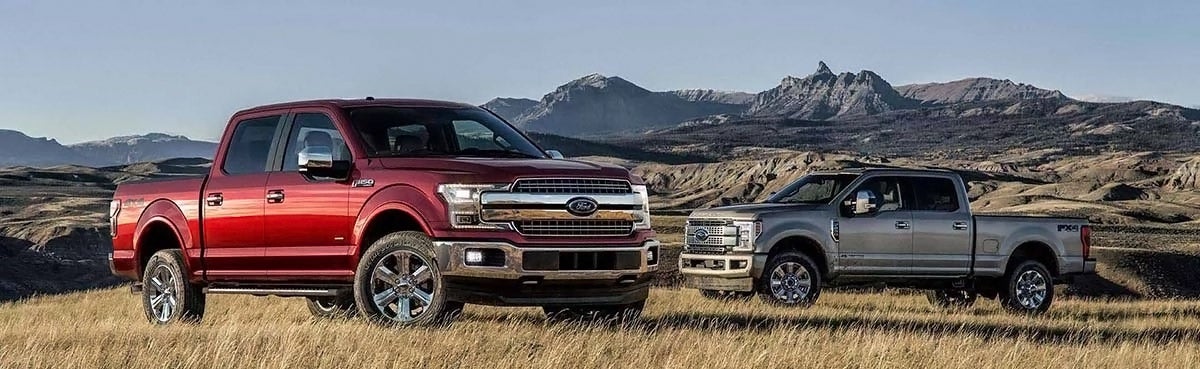
Two F-150s can take up nearly the same space in your driveway and feel completely different once everyone climbs inside.
That’s the heart of SuperCab vs. SuperCrew. SuperCab gives you useful rear seating while keeping a 6.5-foot bed standard. SuperCrew puts much more emphasis on rear-passenger room and gives you a choice between 5.5- and 6.5-foot beds. For Starke truck shoppers, the right cab depends on whether people or bed space usually get first claim on your F-150.
F-150 SuperCab vs. SuperCrew Starts With the Back Seat
The biggest difference is easy to feel from the second row.
The current F-150 SuperCab provides 33.5 inches of rear legroom. SuperCrew stretches that to 43.6 inches, a difference of more than 10 inches. Both cab styles can seat five or six people depending on configuration.
That makes SuperCab vs. SuperCrew less about whether you can carry passengers and more about how often you’ll actually do it.
SuperCab can work well when the back seat is used occasionally for coworkers, kids, bags, or gear. If adults or growing kids will regularly occupy the second row, SuperCrew gives them considerably more room to settle in.
Bed Space Changes the Equation
Here’s where F-150 SuperCab vs. SuperCrew gets more interesting.
The 2026 SuperCab comes with a 6.5-foot bed, while SuperCrew offers 5.5- or 6.5-foot options. That gives the F-150 SuperCab a useful mix of rear seating and longer-bed space for tools, gear, and work supplies.
SuperCrew gives you more flexibility: choose the shorter bed for a more passenger-focused setup, or pair the roomy cab with the 6.5-foot bed when you need more of both. In the SuperCab vs. SuperCrew decision, it really comes down to how much space you need for people versus cargo.
SuperCab vs. SuperCrew Length Isn’t as Simple as You’d Think
You might assume the bigger cab always makes the truck much longer. Not necessarily.
For 2026, a SuperCab with the 6.5-foot bed and a SuperCrew with the 5.5-foot bed both measure 232.0 inches overall. Move to a SuperCrew with the 6.5-foot bed and length grows to about 243.8 to 243.9 inches, depending on drivetrain.
That SuperCab vs. SuperCrew length difference can matter for garages, parking, jobsites, and everyday maneuvering. If you want more rear-seat room without a longer truck, the short-bed SuperCrew is especially appealing. If the 6.5-foot bed matters more, SuperCab vs. SuperCrew becomes a choice between a shorter cab and a longer overall truck.
Which Cab Fits Your Actual Week?
When you’re weighing SuperCab vs. SuperCrew, forget the brochure for a minute. Picture Tuesday.
If your F-150 usually carries one or two people while tools, equipment, or weekend gear fill the bed, the F-150 SuperCab can make a lot of sense. You still have a second row when you need it, but the standard 6.5-foot box keeps cargo space high on the priority list.
If your truck doubles as the family vehicle, road-trip machine, carpool ride, or crew hauler, SuperCrew is easier to justify. That extra rear legroom can make
Don’t Pick the Cab Without Checking the Rest of the Truck
Cab style is only one part of an F-150 configuration.
Engine, drivetrain, trim, bed length, towing equipment, payload, and available features can all change from truck to truck. Ford’s current F-150 lineup also limits certain configurations depending on the trim you choose.
So once you’ve settled the SuperCab vs. SuperCrew question, look closely at the exact truck. The right cab paired with the wrong bed, engine, or equipment still isn’t the right F-150.
Try Both Cab Styles at Murray Ford of Starke
Cab dimensions make more sense when you’re sitting in the truck.
At Murray Ford of Starke, our team can help you sort through cab styles, bed lengths, engines, towing needs, and available equipment based on how you’ll actually use your pickup. We’re located at 13447 U.S. Highway 301 South in Starke.
Explore our F-150 inventory online, schedule a test drive, and let us help you make the SuperCab vs. SuperCrew choice from the driver’s seat.
The Right Cab Is the One You’ll Use
The F-150 SuperCab vs. SuperCrew choice doesn’t need to be complicated. SuperCab prioritizes useful rear seating and a standard 6.5-foot bed. SuperCrew gives passengers far more second-row legroom and lets you choose between shorter- and longer-bed configurations.
Think about who rides with you, what goes in the bed, and where the truck needs to fit. The better answer usually becomes obvious.
F-150 SuperCab vs. SuperCrew FAQs
Still sorting out SuperCab vs. SuperCrew? Here are quick answers about seating, dimensions, and how the two F-150 cab styles differ.
What’s the difference between SuperCab and SuperCrew?
In SuperCab vs. SuperCrew, the biggest difference is rear-seat space. The F-150 SuperCab has 33.5 inches of rear legroom and comes with a 6.5-foot bed, while SuperCrew provides 43.6 inches of rear legroom and offers 5.5- or 6.5-foot beds.
What is an F-150 SuperCab?
An F-150 SuperCab is the middle cab option between Regular Cab and SuperCrew. It adds a second row of seating while pairing the cabin with a 6.5-foot bed on the current F-150.
How long is an F-150 SuperCab with a 6.5-foot bed?
A 2026 F-150 SuperCab with the 6.5-foot bed measures 232.0 inches overall. Its wheelbase is 145.4 inches.
How long is a Ford F-150 SuperCrew?
It depends on the bed. A SuperCrew with the 5.5-foot bed measures 232.0 inches long, while a SuperCrew with the 6.5-foot bed measures about 243.8 to 243.9 inches depending on drivetrain. That’s the key SuperCab vs. SuperCrew length difference to consider when parking or garage space matters.