Blog

Ford Quick Lane® in Starke: Service Without an Appointment

quick lane

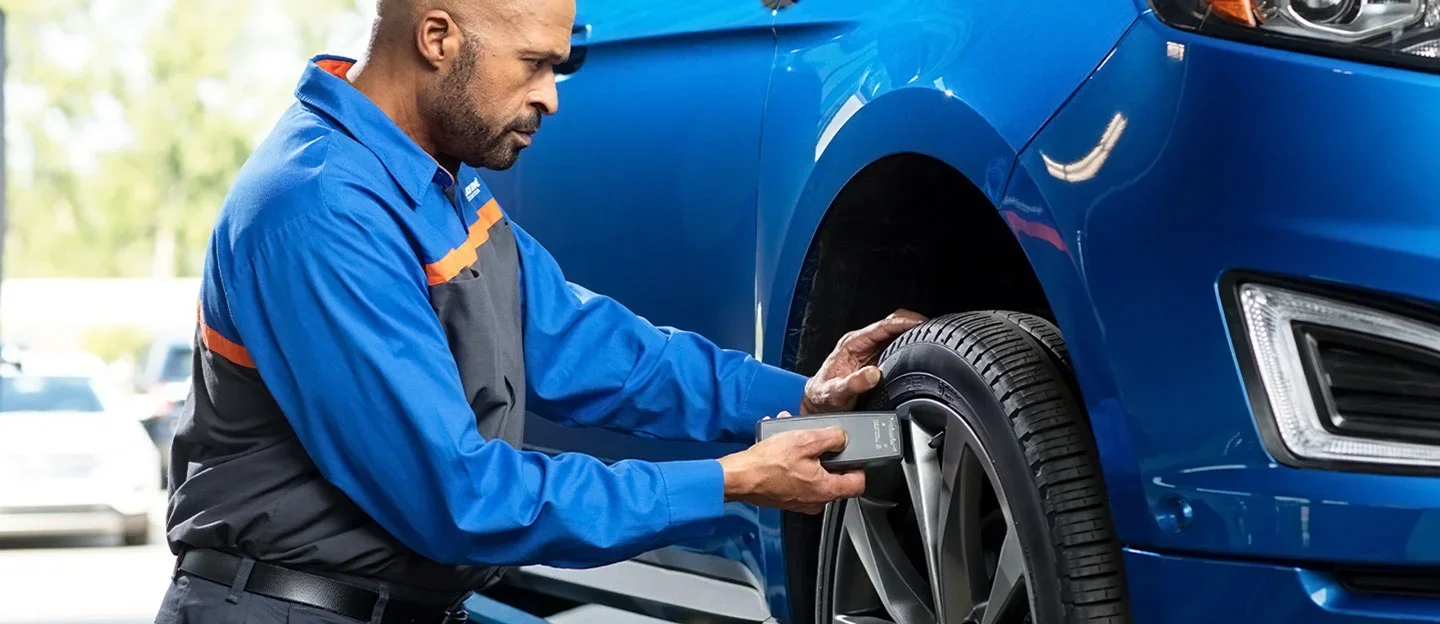
Vehicle maintenance rarely shows up at a convenient time. Your oil-life reminder pops on during a busy week. A tire starts losing air before a weekend trip. Your battery suddenly sounds less confident than it did yesterday. That’s when convenient Ford Quick Lane service can make routine maintenance easier to handle.

That’s exactly where Quick Lane® fits in. If you’re looking for Ford Quick Lane near you in Starke, Murray Ford of Starke gives you a convenient place to handle routine maintenance without building your whole day around a traditional service appointment.

No Calendar Tetris Required

Quick Lane makes routine vehicle maintenance easier to fit into a busy schedule with no-appointment service for common maintenance needs and vehicles from many makes and models.

With Ford Quick Lane near you, it’s easier to take care of maintenance without planning days ahead. At Murray Ford of Starke, our Quick Lane Tire & Auto Center is located at 13447 U.S. Highway 301 South, with weekday evening and weekend availability, including Sundays.

That gives Starke-area drivers more flexibility to handle maintenance around work, errands, and family plans.

Oil Changes Are Just the Starting Point

A lot of drivers associate Quick Lane with oil changes, and that’s certainly an important part of the job. A Ford Quick Lane oil change can help you stay on top of one of your vehicle’s most basic maintenance needs without turning it into a complicated service visit.

But Ford Quick Lane service goes well beyond fresh oil and a new filter.

At Murray Ford of Starke, available Quick Lane maintenance includes tires, brakes, batteries, wheel alignments, belts and hoses, wiper blades, lamps and bulbs, air-conditioning service, cooling-system maintenance, transmission service, suspension and steering work, electrical service, and vehicle checkups.

So, when you look for Ford Quick Lane near you, think beyond the oil-change reminder. It can also be a convenient stop when your wipers are streaking, your battery needs attention, your tires need service, or your brakes aren’t feeling quite like they used to.

Your Car Doesn’t Have to Wear a Ford Badge

Here’s a detail worth knowing: Quick Lane isn’t exclusively for Ford vehicles.

Quick Lane provides routine automotive maintenance for all makes and models, including cars, trucks, and SUVs. Murray Ford of Starke’s Quick Lane also specifically serves all vehicle makes and models.

That makes Ford Quick Lane near you useful even if there’s more than one brand parked in your driveway.

You might drive an F-150 while your spouse drives another brand. Maybe the family has an older SUV or a commuter car that still needs tires, brakes, or routine maintenance. Ford Quick Lane service gives you one more local option for keeping those vehicles moving.

Quick Lane or the Main Ford Service Department?

Both have an important job, but they aren’t always used for the same reason.

Quick Lane makes sense for many routine maintenance and everyday wear-item needs. Think oil changes, tires, batteries, brakes, alignments, wipers, and similar services.

Our Ford service department is the better place to start when your Ford needs more involved diagnostics, repairs, or other dealership-level work beyond routine maintenance.

The good news is that you don’t have to diagnose the situation yourself. If you aren’t sure whether Ford Quick Lane service or the main Ford service department makes more sense, our Murray Ford of Starke team can help point you in the right direction.

That’s part of the advantage of having Ford Quick Lane near you through a full Ford dealership. Routine maintenance and broader service support are both close at hand.

Small Maintenance Now Can Save a Bigger Headache Later

It’s easy to ignore little changes in a vehicle because they don’t always feel urgent.

A slow-starting battery still starts. Slightly worn wipers still clear most of the windshield. Tire wear happens gradually. An oil-change reminder can be dismissed with the push of a button.

But routine maintenance is easier to deal with before those small issues become inconvenient ones.

A Ford Quick Lane oil change, tire check, battery service, brake inspection, or other routine visit gives you a chance to stay ahead of everyday wear. For more involved concerns, our Ford service team can help determine the appropriate next step.

If you’ve been putting off maintenance because your schedule is packed, finding Ford Quick Lane near you can finally make checking it off the list a lot easier.

Make Your Next Maintenance Stop in Starke

You shouldn’t need an empty afternoon just to take care of your vehicle. With convenient Ford Quick Lane service, routine maintenance can fit more easily into the day you already have planned.

At Murray Ford of Starke, we make it easier to tackle routine maintenance with flexible Quick Lane availability and a broad range of services for different makes and models. If your vehicle needs more specialized attention, our Ford service team is here, too.

Ford Quick Lane FAQs

If you’ve been wondering, “Is there a Ford Quick Lane near me?” or “How does Ford Quick Lane service work?” here are quick answers to common questions.

What is Ford Quick Lane?

Quick Lane® Tire & Auto Center handles routine maintenance such as oil changes, tires, brakes, batteries, alignments, and other common vehicle needs. It also services many makes and models.

Is Quick Lane owned by Ford?

Yes. Quick Lane® is a Ford Motor Company service brand designed to make routine vehicle maintenance more convenient.

How does Quick Lane service work at Ford dealers?

Bring your vehicle to a participating Quick Lane location for eligible routine maintenance. If the vehicle needs more involved work, the dealership can help direct you to the appropriate Ford service team.

Do you need an appointment for Ford Quick Lane?

No. Quick Lane is built around no-appointment maintenance, although service times can vary depending on customer volume and the work your vehicle needs.

Where can I find Ford Quick Lane near me in Starke?

Murray Ford of Starke’s Quick Lane Tire & Auto Center is located at 13447 U.S. Highway 301 South in Starke. If you need Ford Quick Lane near you for routine maintenance, tires, brakes, or a Ford Quick Lane oil change, our team is ready to help.

Recommended Posts

two f-150's

F-150 SuperCab vs. SuperCrew: What’s the Difference?

Two F-150s can take up nearly the same space in your driveway and feel completely different once everyone climbs inside. That’s the heart of SuperCab vs. SuperCrew. SuperCab gives you useful rear seating while keeping a 6.5-foot bed standard. SuperCrew puts much more emphasis on rear-passenger room and gives you a choice between 5.5- and 6.5-foot beds. For Starke truck shoppers, the right cab depends on whether people or bed space usually get first claim on your F-150. F-150 SuperCab vs. SuperCrew Starts With the Back Seat The biggest difference is easy to feel from the second row. The current F-150 SuperCab provides 33.5 inches of rear legroom. SuperCrew stretches that to 43.6 inches, a difference of more than 10 inches. Both cab styles can seat five or six people depending on configuration. That makes SuperCab vs. SuperCrew less about whether you can carry passengers and more about how often you’ll actually do it. SuperCab can work well when the back seat is used occasionally for coworkers, kids, bags, or gear. If adults or growing kids will regularly occupy the second row, SuperCrew gives them considerably more room to settle in. Bed Space Changes the Equation Here’s where F-150 SuperCab vs. SuperCrew gets more interesting. The 2026 SuperCab comes with a 6.5-foot bed, while SuperCrew offers 5.5- or 6.5-foot options. That gives the F-150 SuperCab a useful mix of rear seating and longer-bed space for tools, gear, and work supplies. SuperCrew gives you more flexibility: choose the shorter bed for a more passenger-focused setup, or pair the roomy cab with the 6.5-foot bed when you need more of both. In the SuperCab vs. SuperCrew decision, it really comes down to how much space you need for people versus cargo. SuperCab vs. SuperCrew Length Isn’t as Simple as You’d Think You might assume the bigger cab always makes the truck much longer. Not necessarily. For 2026, a SuperCab with the 6.5-foot bed and a SuperCrew with the 5.5-foot bed both measure 232.0 inches overall. Move to a SuperCrew with the 6.5-foot bed and length grows to about 243.8 to 243.9 inches, depending on drivetrain. That SuperCab vs. SuperCrew length difference can matter for garages, parking, jobsites, and everyday maneuvering. If you want more rear-seat room without a longer truck, the short-bed SuperCrew is especially appealing. If the 6.5-foot bed matters more, SuperCab vs. SuperCrew becomes a choice between a shorter cab and a longer overall truck. Which Cab Fits Your Actual Week? When you’re weighing SuperCab vs. SuperCrew, forget the brochure for a minute. Picture Tuesday. If your F-150 usually carries one or two people while tools, equipment, or weekend gear fill the bed, the F-150 SuperCab can make a lot of sense. You still have a second row when you need it, but the standard 6.5-foot box keeps cargo space high on the priority list. If your truck doubles as the family vehicle, road-trip machine, carpool ride, or crew hauler, SuperCrew is easier to justify. That extra rear legroom can make Don’t Pick the Cab Without Checking the Rest of the Truck Cab style is only one part of an F-150 configuration. Engine, drivetrain, trim, bed length, towing equipment, payload, and available features can all change from truck to truck. Ford’s current F-150 lineup also limits certain configurations depending on the trim you choose. So once you’ve settled the SuperCab vs. SuperCrew question, look closely at the exact truck. The right cab paired with the wrong bed, engine, or equipment still isn’t the right F-150. Try Both Cab Styles at Murray Ford of Starke Cab dimensions make more sense when you’re sitting in the truck. At Murray Ford of Starke, our team can help you sort through cab styles, bed lengths, engines, towing needs, and available equipment based on how you’ll actually use your pickup. We’re located at 13447 U.S. Highway 301 South in Starke. Explore our F-150 inventory online, schedule a test drive, and let us help you make the SuperCab vs. SuperCrew choice from the driver’s seat. The Right Cab Is the One You’ll Use The F-150 SuperCab vs. SuperCrew choice doesn’t need to be complicated. SuperCab prioritizes useful rear seating and a standard 6.5-foot bed. SuperCrew gives passengers far more second-row legroom and lets you choose between shorter- and longer-bed configurations. Think about who rides with you, what goes in the bed, and where the truck needs to fit. The better answer usually becomes obvious. F-150 SuperCab vs. SuperCrew FAQs Still sorting out SuperCab vs. SuperCrew? Here are quick answers about seating, dimensions, and how the two F-150 cab styles differ. What’s the difference between SuperCab and SuperCrew? In SuperCab vs. SuperCrew, the biggest difference is rear-seat space. The F-150 SuperCab has 33.5 inches of rear legroom and comes with a 6.5-foot bed, while SuperCrew provides 43.6 inches of rear legroom and offers 5.5- or 6.5-foot beds. What is an F-150 SuperCab? An F-150 SuperCab is the middle cab option between Regular Cab and SuperCrew. It adds a second row of seating while pairing the cabin with a 6.5-foot bed on the current F-150. How long is an F-150 SuperCab with a 6.5-foot bed? A 2026 F-150 SuperCab with the 6.5-foot bed measures 232.0 inches overall. Its wheelbase is 145.4 inches. How long is a Ford F-150 SuperCrew? It depends on the bed. A SuperCrew with the 5.5-foot bed measures 232.0 inches long, while a SuperCrew with the 6.5-foot bed measures about 243.8 to 243.9 inches depending on drivetrain. That’s the key SuperCab vs. SuperCrew length difference to consider when parking or garage space matters.

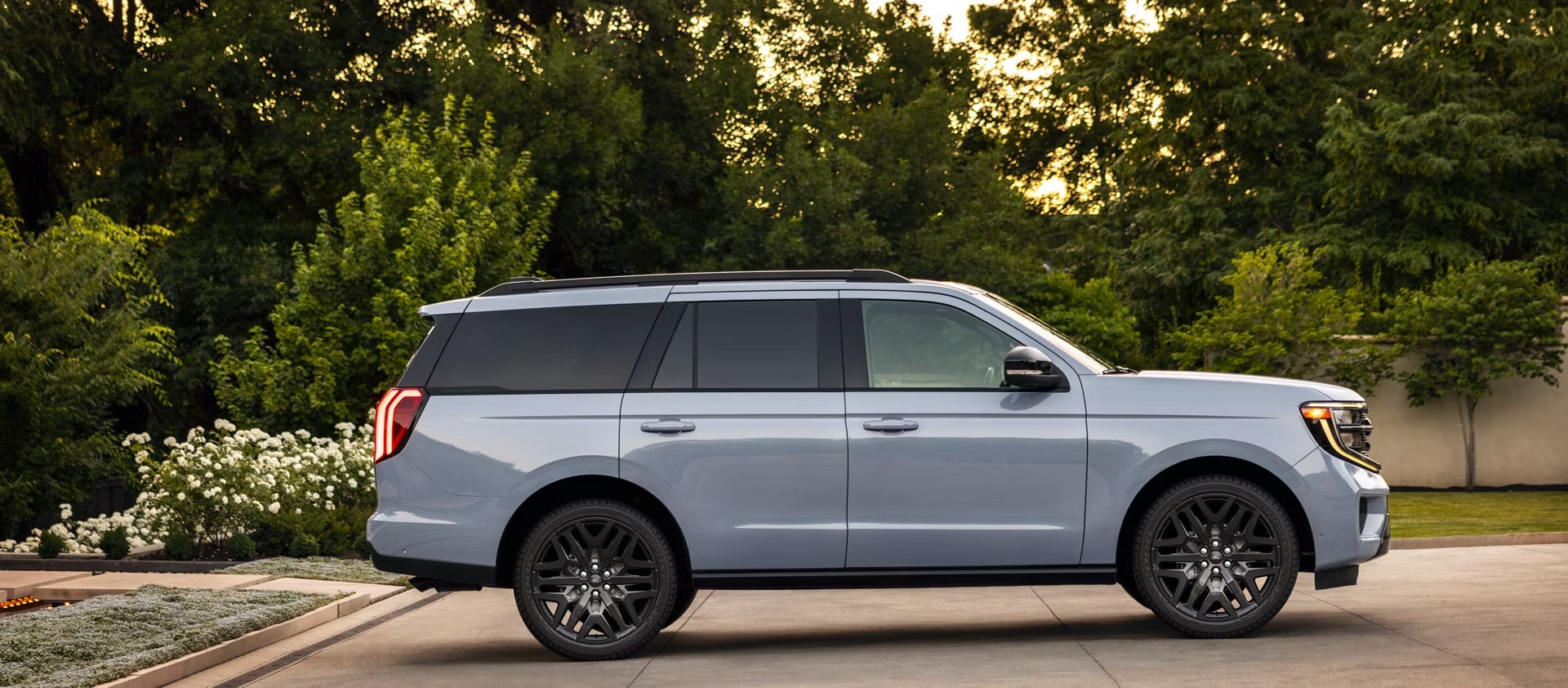
Grey Ford Expedition in a driveway

Ford Expedition Towing Capacity: Big SUV, Serious Strength

A full-size SUV should do more than carry a full house. The Ford Expedition towing capacity gives families the muscle to bring along boats, campers, utility trailers, and other weekend gear while keeping three-row comfort in the equation. For 2026, a properly equipped Expedition can tow up to 9,600 pounds, and the towing capacity on Ford Expedition models varies by configuration and equipment. At Murray Ford of Starke, we can help you look beyond the headline number and find an Expedition built for what you actually plan to tow. How Much Can a Ford Expedition Tow? For 2026, how much can a Ford Expedition tow depends heavily on drivetrain and wheelbase. The standard-wheelbase Expedition 4x2 is rated to tow up to 6,000 pounds, while a properly equipped 4x4 can reach the 9,600-pound maximum. Expedition MAX models are rated up to 6,300 pounds with 4x2 or 9,000 pounds with 4x4. That range is why the Ford Expedition towing capacity should never be treated as one universal number. The exact SUV matters. What Changes the Ford Expedition Tow Weight? Configuration makes a big difference. Drivetrain, wheelbase, axle ratio, wheels, passengers, cargo, accessories, and towing equipment can all affect the final Ford Expedition tow weight rating. Ford specifically notes that maximum towing varies with vehicle configuration, cargo, accessories, and passenger load. That also explains why the towing capacity on Ford Expedition models can differ even when two SUVs look similar on the lot. For example, Ford rates the 2026 Expedition Tremor® at up to 9,300 pounds when properly equipped, while qualifying standard-wheelbase 4x4 models can reach 9,600 pounds. 9,600 Pounds Takes the Right Setup Seeing “9,600 pounds” on a spec sheet doesn’t mean every Expedition is ready to pull that much. The maximum Ford Expedition towing capacity applies to properly equipped models. Ford’s 2026 towing information also states that trailer ratings above 7,000 pounds require a weight-distributing hitch for Expedition and Expedition MAX models. That makes equipment verification especially important if you’re shopping with a specific boat, camper, or trailer already in mind. Instead of asking only how much can a Ford Expedition tow, bring the loaded trailer weight into the conversation. That gives our team a much better starting point for matching you with the right configuration. Towing Tech Takes Some Stress Out of the Hitch Strength is useful. Making that strength easier to manage is even better. The Ford Expedition towing capacity is supported by towing-focused equipment such as a Class IV hitch receiver, Tow/Haul Mode, Trailer Sway Control, Pro Trailer Hitch Assist™, a 360-Degree Camera, and Pro Trailer Backup Assist™ 2.0. Ford also lists a trailer brake controller as part of its towing equipment Those features can make the towing capacity on Ford Expedition models more approachable for drivers who don’t want every campground arrival or boat-ramp backup to become an event. They don’t replace careful towing, but they can make connecting, maneuvering, and controlling a trailer feel more manageable. Don’t Forget What’s Inside the SUV Trailer weight isn’t the only number that affects Ford Expedition towing capacity. Passengers, coolers, luggage, pets, and cargo inside your Expedition all add weight. Trailer tongue weight also counts toward the vehicle’s available payload. Ford recommends tongue load at roughly 10 percent of total loaded trailer weight and notes that passengers, cargo, and tongue weight must remain within the vehicle’s GVWR and rear axle limits. So the towing capacity on Ford Expedition models you can realistically use on a family trip may be different from the maximum printed in a towing chart. That’s especially worth remembering when all three rows are occupied and the cargo area is packed for a North Florida weekend. Expedition or Expedition MAX: More Space, Different Numbers Need more room behind the third row? Expedition MAX stretches the formula, but that added size comes with its own towing ratings. For 2026, the MAX 4x4 tops out at 9,000 pounds, compared with the 9,600-pound maximum Ford Expedition towing capacity for qualifying standard-wheelbase 4x4 models. The MAX 4x2, however, is rated up to 6,300 pounds compared with 6,000 pounds for the standard-wheelbase 4x2. That’s a good reminder that “bigger” doesn’t automatically mean “higher tow rating.” The better question is how the Ford Expedition towing capacity fits your needs, whether you prioritize maximum trailer capacity, maximum interior space, or the right balance of both. Match the Expedition to Your Trailer in Starke If towing is part of your SUV search, start with the trailer rather than the trim badge. At Murray Ford of Starke, our team can help you compare the towing capacity on Ford Expedition configurations, review the equipment on specific vehicles, and make sense of the numbers that apply to your setup. Browse our available Ford Expedition inventory to compare current trims and configurations, then bring us your trailer weight and towing plans. We’ll help you identify an Expedition with the equipment you need and verify the rating on the exact vehicle you’re considering. Three Rows, One Serious Tow Vehicle The Ford Expedition towing capacity is proof that choosing a family-sized SUV doesn’t mean leaving serious capability behind. With up to 9,600 pounds of available towing strength, useful trailering technology, and multiple wheelbase and drivetrain choices, the Expedition can handle everything from daily passenger duty to weekends with a trailer attached. The trick isn’t simply finding the biggest number. It’s finding the Expedition whose Ford Expedition tow weight, passenger space, and equipment all fit what you plan to bring along. At Murray Ford of Starke, that’s the part we can help you get right.

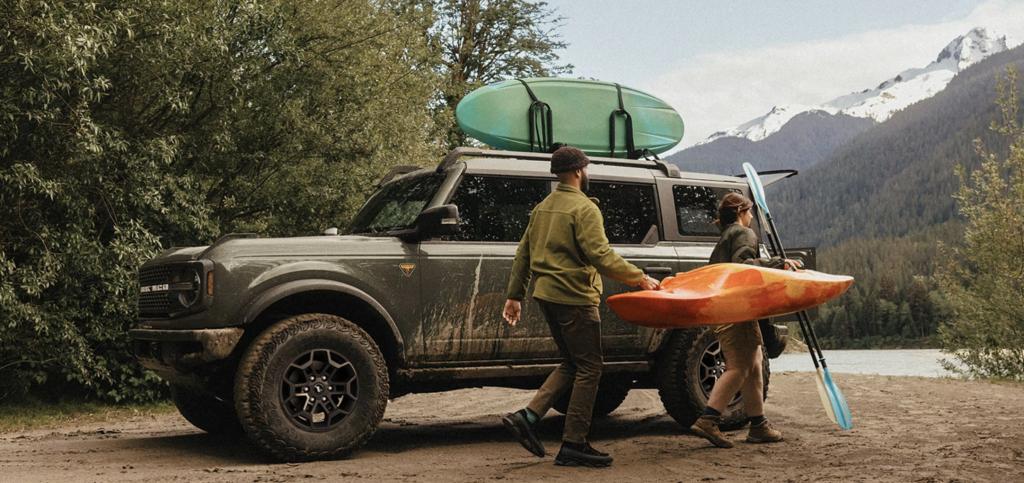
Ford Bronco Trim Levels Explained

The Bronco lineup doesn’t follow a simple good-better-best formula. One model gives you the essentials and room to customize. Another adds daily comfort. Farther up the lineup, you’ll find specialized hardware for rocky trails, retro-inspired styling, and high-speed off-road performance. Understanding the Ford Bronco trim levels can help you spend money on the capability and comfort you’ll actually use. At Murray Ford of Starke, we help North Florida shoppers compare each Bronco’s personality, equipment, and everyday practicality before choosing their trail partner. Bronco Trim Levels in Order For the current 2026 lineup, the Bronco trim levels in order are: Base, Big Bend, Outer Banks, Badlands, Heritage Edition, Stroppe Edition, and Raptor. That order provides a helpful starting point for comparing Ford Bronco trim levels, but the special editions don’t always follow a traditional upgrade ladder. Heritage Edition focuses on vintage style, Stroppe Edition draws inspiration from desert racing, and Raptor sits at the top for extreme off-road performance. Base: Start With the Bronco Essentials The Ford Bronco Base trim is the blank canvas of the lineup. It offers the Bronco’s core 4x4 character without loading the vehicle with every available appearance or luxury feature. For 2026, the Base is the starting point among the Ford Bronco trim levels, offering two-door and four-door configurations with a 300-horsepower 2.3-liter EcoBoost engine. Shoppers can choose a seven-speed manual or 10-speed automatic transmission, and the Sasquatch Package is available for drivers who want a more aggressive trail setup. Choose the Ford Bronco Base trim when you want straightforward capability, prefer a lower starting point, or plan to personalize your Bronco over time. Big Bend: Everyday Adventure Gets Easier The Ford Bronco Big Bend trim is one of the most approachable choices for daily driving. It builds on the Base with touches such as rear privacy glass, aluminum wheels, and more package flexibility. The four-door Big Bend keeps the 300-horsepower 2.3-liter EcoBoost engine and offers manual or automatic transmission choices. Available Black Diamond, Free Wheeling, and Sasquatch packages let shoppers move the design toward rugged utility, retro style, or stronger off-road capability. For many Starke drivers, the Ford Bronco Big Bend trim lands in a useful sweet spot. It has the Bronco look and open-air character while remaining comfortable enough for commuting, errands, and weekend exploring. Outer Banks: More Polish for the Daily Drive When comparing the Bronco trim levels in order, Outer Banks is where the lineup begins to feel more refined. Body-color exterior details, 18-inch wheels, power front seats, carpeted flooring, and an available Lux Package give it a more polished feel than the lower Ford Bronco trim levels. An available 2.7-liter EcoBoost V6 adds extra muscle, while the available 60th Anniversary Package blends retro design with leather seating and Sasquatch off-road equipment. Outer Banks makes sense when your Bronco will spend most weekdays on pavement, but you still want removable doors, open-air fun, and real 4x4 confidence. Badlands: Built for Tougher Trails Badlands is where the lineup becomes more serious about technical off-roading. It adds HOSS 2.0 suspension with Bilstein dampers, seven G.O.A.T. Modes, full-vehicle steel bash plates, an advanced 4x4 system, and an available front stabilizer bar disconnect. The cabin also reflects its trail focus with marine-grade vinyl seating and washout-capable rubberized flooring. Leather-trimmed seating is available for shoppers who want rugged hardware with a more upscale interior. Among the Ford Bronco trim levels, Badlands is a strong choice for drivers who expect to use the Bronco’s capability rather than simply admire it in the driveway. Heritage Edition: Old-School Looks, Modern Hardware Heritage Edition brings vintage Bronco character into the current lineup. Its Oxford White-painted hardtop, heritage graphics, plaid cloth seats, and unique badging create a look that stands apart immediately. It’s more than an appearance package. The 2026 four-door Heritage Edition includes 35-inch tires and HOSS 2.0 suspension, with an available 2.7-liter EcoBoost V6. Choose it when classic Bronco style matters just as much as modern capability. Stroppe and Raptor: Performance Turns Up Stroppe Edition brings Baja-inspired attitude with a 330-horsepower 2.7-liter EcoBoost V6, HOSS 3.0 suspension with FOX internal bypass dampers, and distinctive Code Orange details. For 2026, it’s offered as a four-door model. Raptor is the highest and most extreme entry among the Ford Bronco trim levels. Its 418-horsepower 3.0-liter EcoBoost V6, 37-inch tires, wide stance, and HOSS 4.0 suspension are built for drivers seeking serious high-performance off-road capability. Match the Trim to Your Kind of Adventure Reading the Bronco trim levels in order only tells part of the story. The right choice depends on where you’ll drive and what you value most. Start with Base for simplicity and customization. Across the Ford Bronco trim levels, Big Bend suits balanced daily use, Outer Banks adds extra comfort, and Badlands is built for demanding trails. Heritage Edition brings throwback personality, while Stroppe and Raptor appeal to shoppers who want specialized off-road performance. Put the Bronco Lineup to the Test in Starke At Murray Ford of Starke, our team can help you compare the Ford Bronco trim levels, starting with the Ford Bronco Base trim and moving through Big Bend, Outer Banks, Badlands, and available special editions. Explore current inventory, check the equipment on individual vehicles, and take your top choice for a test drive Ford Bronco Trim Level FAQs Still comparing the Ford Bronco trim levels? These quick answers explain the lineup, from the Ford Bronco Base trim to its most capable options. What are the Bronco trim levels? For 2026, the Bronco trim levels in order are Base, Big Bend, Outer Banks, Badlands, Heritage Edition, Stroppe Edition, and Raptor. Package and configuration availability varies by trim. What Bronco trim should I get? The right choice depends on how you plan to drive. Choose the Ford Bronco Base trim for core capability, Big Bend for a balanced daily driver, Outer Banks for added comfort, or Badlands for more technical off-roading. Heritage Edition emphasizes retro styling, while Stroppe and Raptor deliver specialized performance. Which Bronco trim has leather seats? Leather-trimmed seating is available on several Ford Bronco trim levels, including select Outer Banks, Badlands, and Raptor configurations. The Outer Banks 60th Anniversary Package also includes leather seating. Always confirm the upholstery on the exact Bronco you’re considering. What is the highest Bronco trim? Raptor is the highest-performance Bronco trim. It uses a 418-horsepower 3.0-liter EcoBoost V6 and specialized suspension designed for demanding off-road driving. Which Bronco trim is best for daily driving? The Ford Bronco Big Bend trim is a strong everyday choice because it combines useful comfort features, four-door practicality, and available packages without moving immediately into the more specialized upper trims. Outer Banks is also worth considering when premium cabin features are a higher priority.