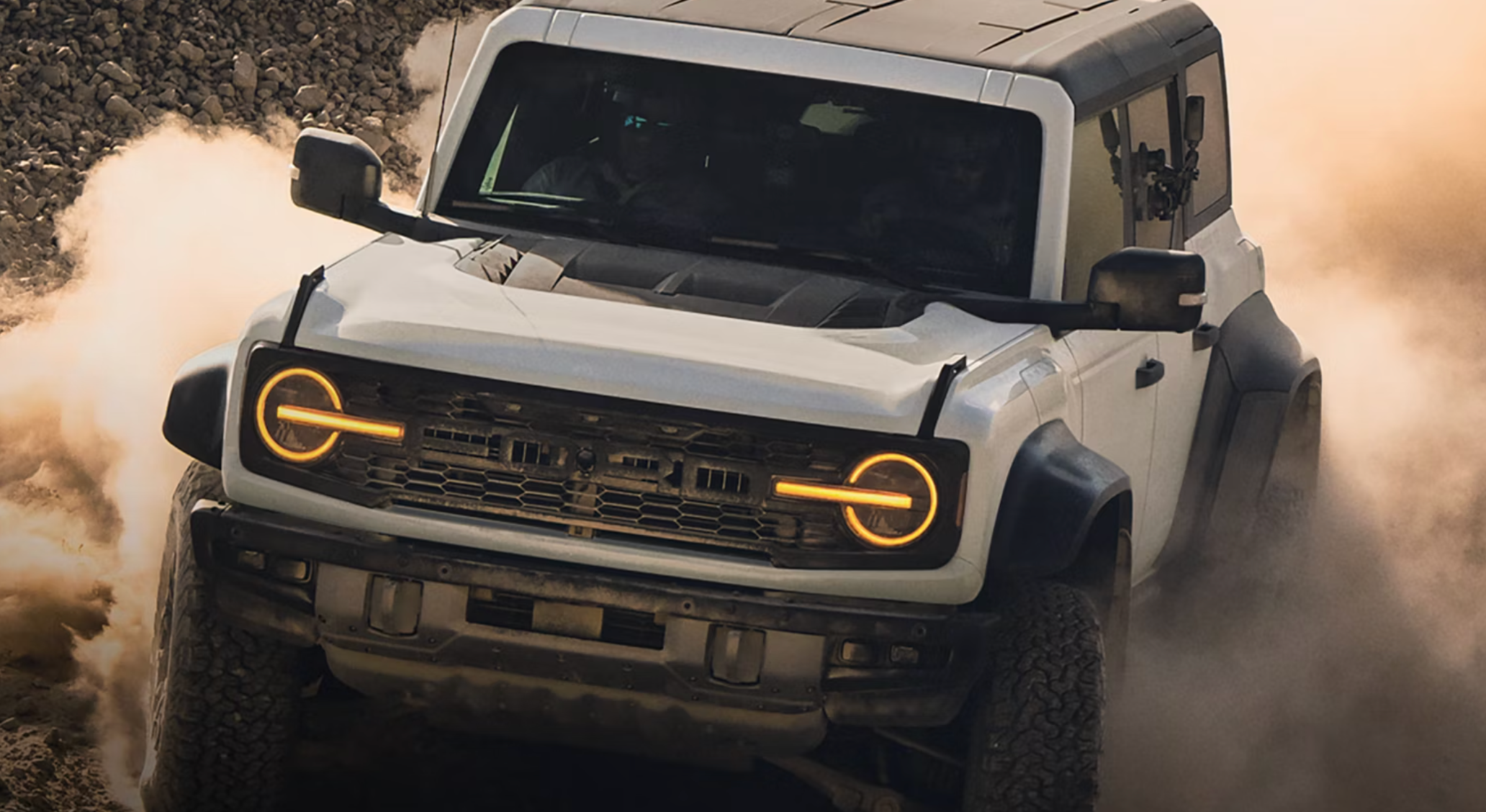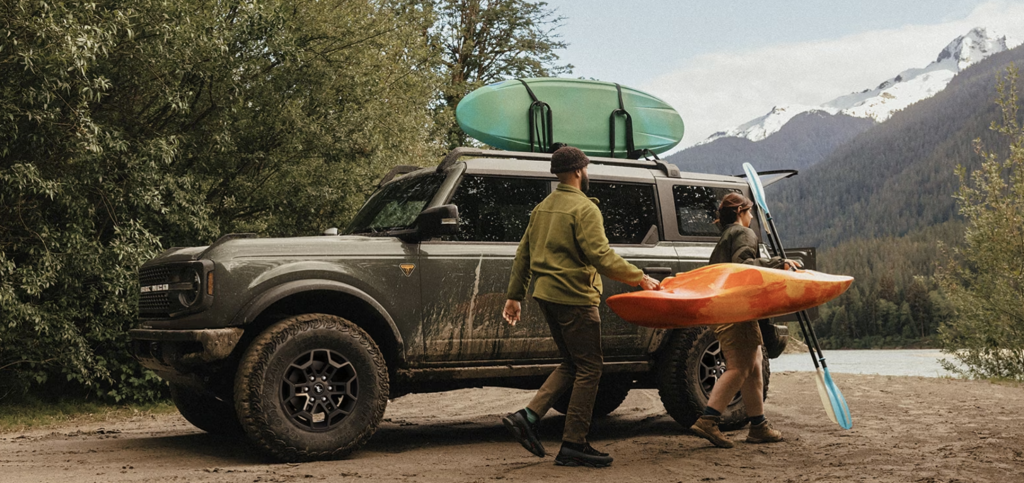

The Bronco Sport is compact enough for everyday driving, but that doesn’t mean towing is off the table. For 2026, Bronco Sport towing capacity reaches up to 2,200 pounds on Big Bend, Heritage, and Outer Banks models when properly equipped with the available Class II Trailer Tow Package. Badlands raises that ceiling to 2,700 pounds and includes the Class II Trailer Tow Package as standard equipment. That gives your Ford Bronco Sport towing capacity enough flexibility for light recreational and utility trailers without turning the SUV into something oversized for daily driving around Starke and North Florida. The important part is knowing which Bronco Sport you have and what the trailer actually weighs when loaded. Most Bronco Sport Trims Top Out at 2,200 Pounds Big Bend, Heritage, and Outer Banks all use the 1.5-liter EcoBoost engine for 2026. Ford rates that engine at 180 horsepower and 200 lb-ft of torque, with standard 4x4 across those trims. When equipped with the Class II Trailer Tow Package, Bronco Sport towing capacity reaches 2,200 pounds. That figure is the maximum loaded trailer weight, not just the empty trailer itself. Cargo inside the trailer counts too. So if you’re thinking about a small utility trailer, lightweight camper, personal watercraft trailer, or similar setup, look at the trailer’s loaded weight rather than its dry or empty number. That’s where Ford Bronco Sport towing capacity becomes useful in real life. It gives you room for lighter towing jobs while keeping the Bronco Sport easy to park, commute in, and take down tighter roads. Badlands Gives You Another 500 Pounds If towing is a bigger part of your plans, Badlands is the version to look at first. The Bronco Sport Badlands towing capacity reaches 2,700 pounds when properly equipped. Badlands uses the stronger 2.0-liter EcoBoost engine with 250 horsepower and 280 lb-ft of torque, along with Advanced 4x4 and a twin-clutch rear-drive unit. That extra 500 pounds may not sound dramatic until your trailer is already approaching the limit of a 2,200-pound setup. The higher Bronco Sport towing capacity gives you more breathing room for heavier recreational gear or a larger small trailer, while the stronger engine adds torque that can make towing feel more natural. For drivers who want trail capability and occasional trailer duty in the same compact SUV, Badlands is the clearest fit. The Tow Package Matters More Than the Hitch Alone A hitch receiver by itself doesn’t tell the whole story. Ford’s Class II Trailer Tow Package includes the hitch receiver and 4-pin trailer wiring harness, along with Trailer Sway Control, a full-size spare tire, and a rubberized cargo floor. The package is standard on Badlands and available on Big Bend, Heritage, and Outer Banks. That equipment is what unlocks the published Bronco Sport towing capacity on applicable trims. Bronco Sport drivers enjoy a maximum tongue load of 220 pounds for the 2,200-pound configurations and 270 pounds for Badlands at its 2,700-pound maximum. That tongue-weight limit matters because too much weight at the hitch can overload the vehicle even if total trailer weight appears acceptable. What Can a Bronco Sport Actually Tow? This is where the spec sheet needs some context. A 2,200- or 2,700-pound rating can work well for lighter trailers, but there isn’t one universal answer because boats, campers, utility trailers, and recreational equipment vary widely in weight. The best use of Bronco Sport towing capacity is to start with the trailer’s GVWR or actual loaded weight, then add everything you plan to carry inside it. The Bronco Sport Badlands towing capacity gives you the highest published limit in the lineup, but even Badlands needs to stay within its trailer, tongue-weight, and combined-weight ratings. Ford lists a 6,990-pound GCWR for the 2.0-liter Badlands configuration in its current towing guide. In other words, don’t buy around an empty trailer number. Buy around the weight you’ll actually tow. Trailer Weight Isn’t the Only Number to Check Passengers and cargo matter too. Maximum towing ratings assume specific vehicle conditions and can change based on cargo, accessories, options, and the number of passengers. The combined weight of the Bronco Sport and trailer also can’t exceed the applicable GCWR. That means the published Bronco Sport towing capacity is a ceiling, not a promise that every real-world setup can use every pound of it. If you regularly travel with four passengers, coolers, camping gear, and a loaded trailer, it’s worth working through the entire weight picture before you hitch up. Match the Bronco Sport to the Trailer in Starke Explore our current Bronco Sport inventory, then talk with our team about what you actually plan to tow. We can help you compare engines, tow-package equipment, and Ford Bronco Sport towing capacity before you choose a specific SUV. The best Bronco Sport towing capacity isn’t simply the biggest number available. It’s enough capability for your trailer without giving up the compact size that made the Bronco Sport appealing in the first place.

15-Year / 150,000-Mile Powertrain Warranty: What It Covers & Why It Matters
Planning to keep your next truck long after it’s paid off? Ask us what happens if the engine or transmission needs a major repair after the factory warranty expires. At Murray Ford of Starke, we’ll walk you through your coverage before you buy. We include a complimentary 15-year/150,000-mile powertrain warranty on qualifying vehicles. If you’re the driver who keeps an F-150 through years of Gainesville commutes, Saturday hardware runs and family trips up US 301, ask us about the 15/150 before you pick your truck. What Our Powertrain Warranty Covers So, what is a powertrain warranty? It protects specified parts in the systems that generate power and deliver it to the wheels. The engine produces it, the transmission manages it, and the drivetrain delivers it. Under our powertrain warranty, the major areas to look for are the engine, transmission or transaxle, and front- or rear-drive system. The written agreement lists the covered parts and conditions. Ask us to pull it up while you’re here. We can walk through what’s covered on the vehicle you’re considering. Powertrain warranty coverage focuses on specified mechanical repairs. When you’re planning your ownership costs, budget separately for routine service, tires and brake pads. Then ask which warranty, if any, applies to items like the touchscreen or power seat. Two Warranties, Two Timelines For most new gasoline Ford vehicles, the factory Ford powertrain warranty lasts five years or 60,000 miles, whichever comes first. Ford’s guide lists covered components in the engine, transmission and drive system. The parts list varies with how the vehicle is equipped. Our 15/150 program has its own terms. The time limit runs from the sale date, and the mileage limit is 150,000 miles on the odometer. Coverage ends at the first limit you reach. Say you buy a qualifying used truck with 50,000 miles. You’re 100,000 miles away from the odometer limit, and the 15-year time limit still applies. If you’re weighing that truck against a new one, we can show you when the factory Ford powertrain warranty and our program each start and end. How Long Do You Usually Keep a Truck? If you’re wondering, “What is a powertrain warranty worth to me?” start with how long you normally own a vehicle. At about 15,000 miles a year, a truck bought new can reach 150,000 miles in roughly ten years. Drive closer to 7,500 miles a year, and you’ll likely reach the time limit first. Our powertrain warranty is especially relevant if you keep a truck long after the first set of tires comes off. We’ll help you compare the written terms with your annual mileage and how long you expect to keep the keys. Which Vehicles Qualify for Our Powertrain Warranty? We offer the 15/150 on select new and pre-owned vehicles. Our published exclusions include electric vehicles, Transit vans, certain heavy-duty and high-performance models, and vehicles purchased for commercial use. The program stays with the original purchaser. See the eligibility details. Tell us if you’re buying for a business or shopping for a particular truck configuration. We’ll check the VIN before you decide, so you know which powertrain warranty coverage applies to that vehicle. Keep the Service Receipts To keep your powertrain warranty in effect, follow the manufacturer’s maintenance schedule, use an ASE-certified shop and keep receipts for required work. You can have that maintenance done at a qualifying shop of your choice. Set up a folder in your glove box or on your phone when you take delivery. After each service, save the invoice and check that it shows the date, mileage and work performed. That’s easier than tracking down years of paperwork after a repair comes up. While we’re going over the agreement, ask who to call if you need a repair, whether the work needs approval first and whether a deductible applies. We can go through those details with you before you leave. Ask About the 15/150 Before You Take the Keys Found a truck you’d happily drive for the next decade? Bring us the listing. At Murray Ford of Starke, we’ll check eligibility and show you the powertrain warranty terms before you sign. Browse our new and pre-owned inventory. Powertrain Warranty FAQs What is a powertrain warranty? A powertrain warranty covers specific parts that help a vehicle make power and move. Depending on the agreement, that can include engine internals, transmission components, axle shafts and other drive-system parts. What does Ford powertrain warranty cover? Ford lists parts such as the cylinder block and heads, oil pump, timing components, transmission internals and torque converter. Drive-system coverage can include axle shafts, bearings and driveshafts, depending on the vehicle. The applicable Ford powertrain warranty guide gives the full list. See Ford’s covered components. Are oil leaks covered under Ford powertrain warranty? They can be. A leak may qualify if it comes from a covered defect in a listed component, such as a seal, gasket or oil pan, during the applicable term. A diagnosis identifies the source, and the written terms determine whether powertrain warranty coverage applies. See Ford’s warranty terms. How long is the Ford powertrain warranty? For most new gasoline Ford vehicles, it’s five years or 60,000 miles, whichever comes first. Certain diesel engine components have a separate term. Bring us the VIN and we can help you identify the warranty that applies. Check Ford’s coverage periods.